Gotta Go Lean Blog

Muda, Muri, Mura

Like many Japanese terms surrounding continuous improvement, there are several slight variations of translations of these three terms. In general, muda is the most commonly used of this group of terms. In practice, it has come to mean “waste”. Muda really means wasteful activity. Mura means the waste of inconsistency or unevenness. Muri is the waste of strain or unreasonableness. There are many different ways people categorize waste, for example, the seven wastes, or memory Read more…

Annualized Values

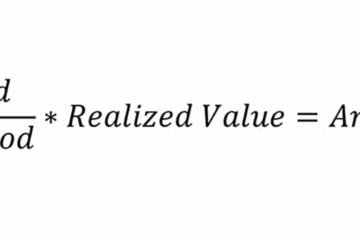
Often, something occurs over a short period, but needs to be compared to a full year. This is known as annualizing. An example: You are applying for auto insurance, and the agent asks you what your yearly mileage is. You know that you drove 1,000 miles in the last month. The annualized rate, therefore, is 12,000 miles. In continuous improvement, you will likely be dealing with a great many metrics. You will have annual targets—perhaps Read more…

American National Standards Institute (ANSI)

The American National Standards Institute (ANSI) is a US government organization that coordinates the creation of voluntary national standards. It is the official US representative to the International Organization for Standardization (ISO). More detailed information is available at www.ansi.org. ANSI works towards promoting national standards. These standards help consumers in the long run, as national standards ensure that competing companies in the same industry are following the same ground rules. Things like crash tests for Read more…

Does Your Leadership Style Create Management Waste?

When improving an operation, most people only look at the process. They seldom dive into the manager’s role in running that process. Often, the way a leader behaves can have a substantial impact on how smoothly a process can flow. Watch out for… Managers batching approvals. Most managers do approvals one of two ways. The ‘drop it in my box and I’ll get to it when I can’ method, or the ‘I’ll approve these every Read more…

Every Conflict Comes From a Gap in Expectations

Every conflict can be traced back to a gap in expectations. Every single one. Every time. I normally don’t make such definitive statements, but in this case, I am convinced. Every time I have ever had a dispute with someone, whether it was with my wife over who ate the last of the ice cream, or with a coworker about how a project should be completed, the root of the disagreement was that the expectations Read more…

Don’t Go Crazy with Your 5S

I often see people focusing on technical aspects of 5S, rather than the purpose of what 5S is all about. Remember, 5S is intended to create a more productive, effective workspace. Some common errors include: Defining a location for a fixed object. Some people like to outline everything, but I simply don’t see the need to run a piece of tape along the edge of a stationary machine just so it is labeled. Labeling the Read more…

Cost of Poor Quality (COPQ)

The cost of poor quality (COPQ) is the aggregate impact of an organization’s errors and defects on the company. It includes costs associated with scrap, rework, inspection, data management, data collection, redesign, warranty claims, lawsuits, lost sales, loss of reputation, additional inventory, and any other expense that is incurred to make sure customers are not stuck with products that don’t work. The cost of poor quality is frequently underestimated. It is hard to measure its Read more…

Office Space Meets the Real World

An interesting story caught my eye today. Apparently, an employee decided not to come to work…for 12 years. Amazingly, the paychecks never stopped. It reminded me of this exchange from the movie ‘Office Space’: Peter Gibbons: …. I uh, I don’t like my job, and, uh, I don’t think I’m gonna go anymore. Joanna: You’re just not gonna go? Peter Gibbons: Yeah. Joanna: Won’t you get fired? Peter Gibbons: I don’t know, but I really Read more…

Download Velaction's Decision Matrix Template

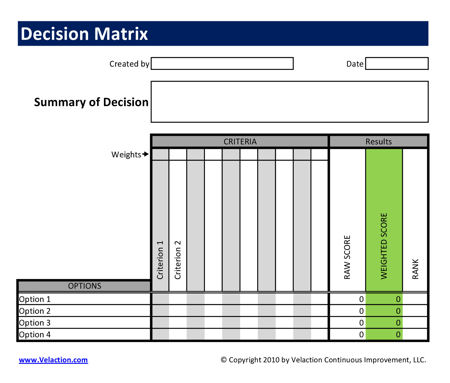
Decision Matrix Template

The Decision Matrix Template is used to simplify the decision-making process and prevent emotional, gut decisions. In short, a decision matrix template helps users grade a set of options against a set of criteria. This template, like most decision matrix templates, includes a weighting system. It puts additional value on the scores of select criteria, so the most important factors carry additional weight in the final decision. Going through a systematic process such as this Read more…

Value, Shmalue

As I troll the Internet looking for juicy new Lean topics to sink my teeth into, I frequently come across questions from people asking about how to classify tasks as value-added or non value-added. Now, the concept of value-added and non value-added work is great. It is important to understand how the tasks we do link to the needs of customers. Unfortunately, it is a very messy Lean topic. Nearly every definition I have heard Read more…