Gotta Go Lean Blog

Hansei

Hansei is a Japanese term that loosely translates to self-reflection. In practice, though, it is much more than that. Hansei requires several things. A person must recognize that there is a problem in personal performance. Hansei is not a run-of-the-mill assessment tool. It looks at personal failings rather than system or process The person must take responsibility for the shortcoming. Being called on the carpet is not the same as hansei. Owning the mistake is Read more…
6S

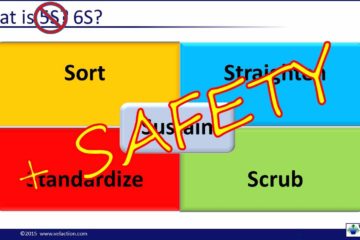
6S is a mnemonic device used to recall the steps to improve workplace organization and effectiveness. It is essentially 5S with safety specifically added. The six “S” terms are: Sort Straighten Scrub Standardize Sustain Safety In truth, safety should always be considered when making any changes, observations, or assessments about a workplace. That said, it makes a good deal of sense to use 6S vs. 5S. Unfortunately, though, 5S is deeply ingrained in Lean culture, Read more…

The Lean Machine (Guest Post from Tony Ferraro)

Notes from Jeff:  I’d like to thank my guest author, Tony Ferraro for his contribution to the Gotta Go Lean Blog.

Lean manufacturing is something many companies strive for but only some attain. Many businesses implement different strategies in order to make processes faster, cheaper, and more efficient. Let’s face it, in this day and age we are either meeting or exceeding the ever-changing customer expectations, or we are simply treading water just trying to stay afloat. The art of continuous improvement has a lot to do with how successful a business is…

Non-Value Added (NVA)

Non-Value Added (NVA) steps consume resources but do nothing to add value to a product or process. Because value is defined by the customer, non-value added work does nothing to change the form, fit, or function of a product into something a customer is willing to pay for. There is some debate over whether non-value added means the same as waste. The difference, if any, is subtle. The argument is often that some non-value added Read more…

Key Performance Indicator

KPI stands for key performance indicator. KPIs are the specific, quantifiable measures by which an organization evaluates its success. KPIs come from two main sources. The first is that they can cascade down from policy deployment and are linked to an improvement target. In that situation, a key performance indicator is the little slice of a strategy that a subordinate organization must accomplish if the company is to meet its overall goals. For example, a Read more…

CEDAC

CEDAC is an acronym that stands for cause and effect diagram with the addition of cards. It is a very specific way of building a fishbone diagram in which team members contribute ideas written on 3 x 5 cards or Post-it notes. CEDAC is a problem-solving tool that relies on brainstorming. The goal of CEDAC is to involve a large number of participants and to generate a high volume of ideas. Using the cards also Read more…

Bowling Chart

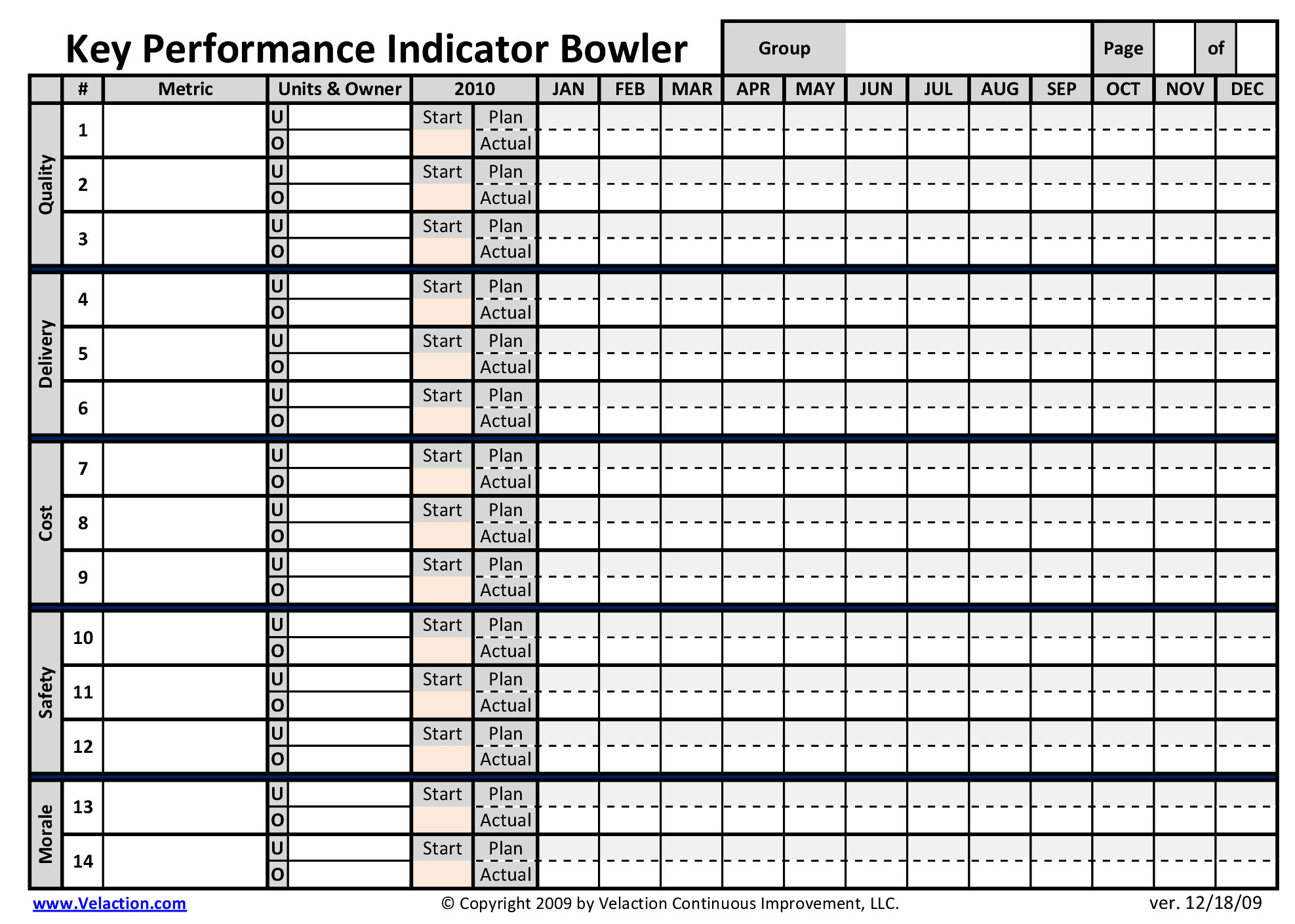
“Bowling chart” is the nickname given to the tracking sheets used to monitor either KPIs or policy deployment objectives. Its name comes from the similarity to a bowling scorecard. You may also hear the term “bowler” used to describe these forms. The form compares the targets (plan) to actual performance on a monthly basis. Watch Our Managing With Metrics Video We offer two types of bowling charts. Standard KPI Bowler Policy Deployment Bowler

Annual Objectives

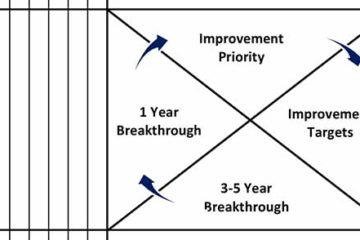
In the generic definition, annual objectives are simply the company’s goals for a calendar year. In most cases these goals should target a degree of improvement. In a Lean organization, however, there’s a much more specific definition for annual objectives. It is a key component of policy deployment. Strategies are turned into three to five-year breakthrough objectives. The current year’s goals are stripped off of these breakthrough objectives and become annual objectives. Most annual objectives Read more…

Run Chart

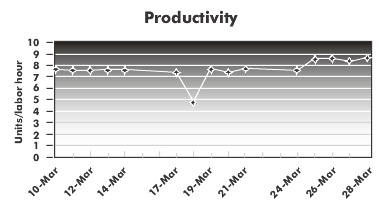
A run chart is a tool used to show a change in a value over a period of time. It depicts a time-ordered series of data plots with time on the X-axis (horizontal) and the value of the data on the Y-axis (vertical). Run charts are particularly powerful because they showcase changes that otherwise may be too subtle to notice. These changes are, in many cases, linked to abnormal conditions which can be quickly dealt Read more…

Think Like Your Competitor to Beat Your Competitor

While continuous improvement is a great and wonderful thing, it has one glaring weakness. You have to be right when you define what improvement actually is. If you missed the mark, you’ll just get more effective at doing the wrong thing.

One trick that you can use to make sure that your definition of improvement is correct is to look at yourself through the eyes of your competitor. Imagine that you are a marketing manager for the business you most frequently go head-to-head against. What weaknesses would you try to exploit? Which of your own strengths would you try to emphasize? What are your advantages from the customer perspective?

Weekly Update (May 13, 2013)

Notable News

  • I am dabbling with the idea of doing a brief weekly podcast, possibly with our frequent partner Tim McMahon, of ALeanJourney.com. We are still trying to work out the scheduling details and what the show would actually look like, so this is your chance to have some input. One of the ideas is a quick rundown of all the content we post combined some current events, but I am open to suggestions. The number one objective is to give you something that can help you keep Lean efforts front and center in your operation. Send your ideas and suggestions to info@velaction.com. Thanks.
  • I’ve also shuffled the posting calendar up a bit. I wanted to move the updates to Monday and cover the previous week. That means a cascade of changes for the rest of the calendar.